Low-Power, Lightweight, and Mass-Production-Ready Development Services for Wearable Products
Based on the ESP32 platform, we provide one-stop solutions for various wearable devices, covering solution planning, PCB design, firmware development, and mass production support.
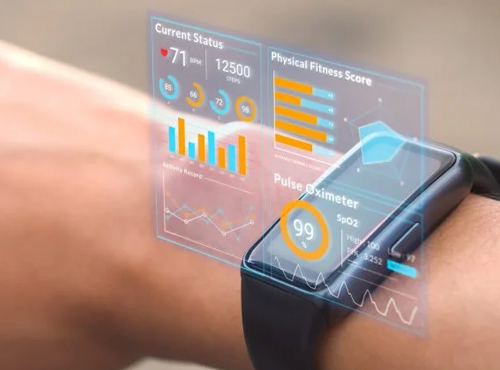
Focusing on the core characteristics and usage scenarios of wearable devices, we deliver system-level solution design, including:
Functional architecture and hardware solution planning
Power consumption targets and battery life strategy definition
Design of local user interaction and mobile connectivity methods
Planning for future feature expansion and product iteration
Based on ESP32 / ESP32-C3 / ESP32-S3 series chips, we provide PCB design services tailored for wearable devices:
Ultra-compact, highly integrated PCB layouts
Bluetooth RF and antenna performance optimization
Battery-powered design, power management, and charging circuitry
Integration of sensors, displays, vibration motors, and other modules
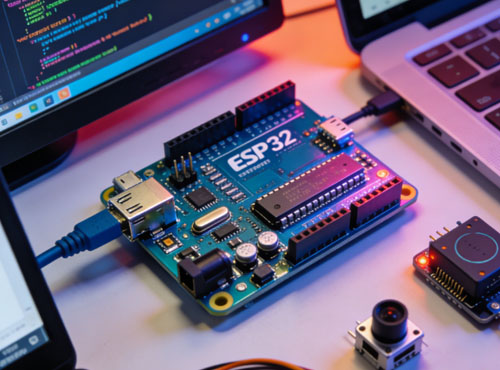
Using ESP-IDF or the Arduino framework, we develop firmware specifically optimized for wearable devices:
Bluetooth / BLE communication implementation
Low-power operating modes and sleep strategies
Sensor data acquisition and processing
OTA updates and device maintenance mechanisms
Our wearable technology developers will sync your custom device with a mobile app via APIs and secure connectivity protocols. This provides an opportunity to:
Partially shift CPU load to a smartphone
Visualize sensor data on a larger screen
Manage the device in a convenient manner

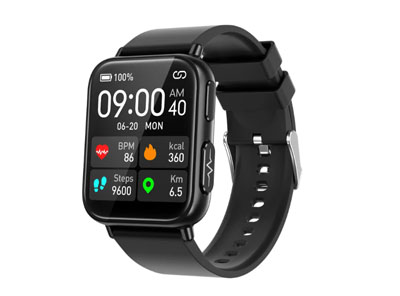
Heart rate, motion, and other biometric data collection
Bluetooth data synchronization
Long battery life and stable connectivity design
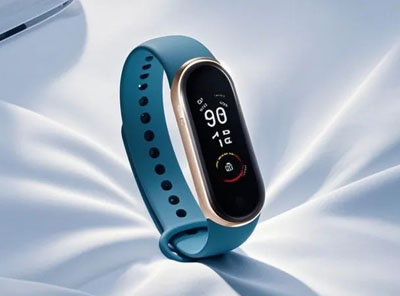
Multi-sensor integration
Display and user interaction control
Seamless integration with mobile apps
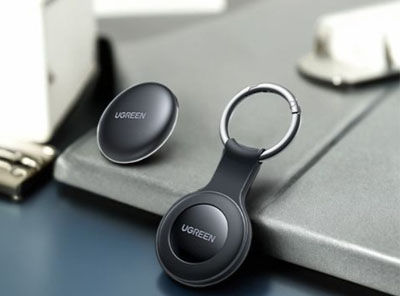
Activity and motion data tracking
Bluetooth / Wi-Fi communication
Lightweight structural design
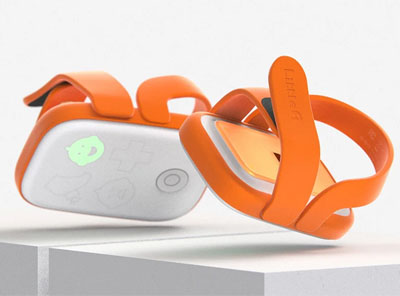
Long-term stable operation
Secure data handling and reliable transmission
Miniaturized, low-power design solutions
Integrated Bluetooth and Wi-Fi enable stable connections with smartphones, gateways, and other endpoints.
Supports multiple sensors, basic displays, and data processing.
Multiple low-power modes and power management features help extend device battery life.
Rich development resources, stable performance, and strong cost-effectiveness.
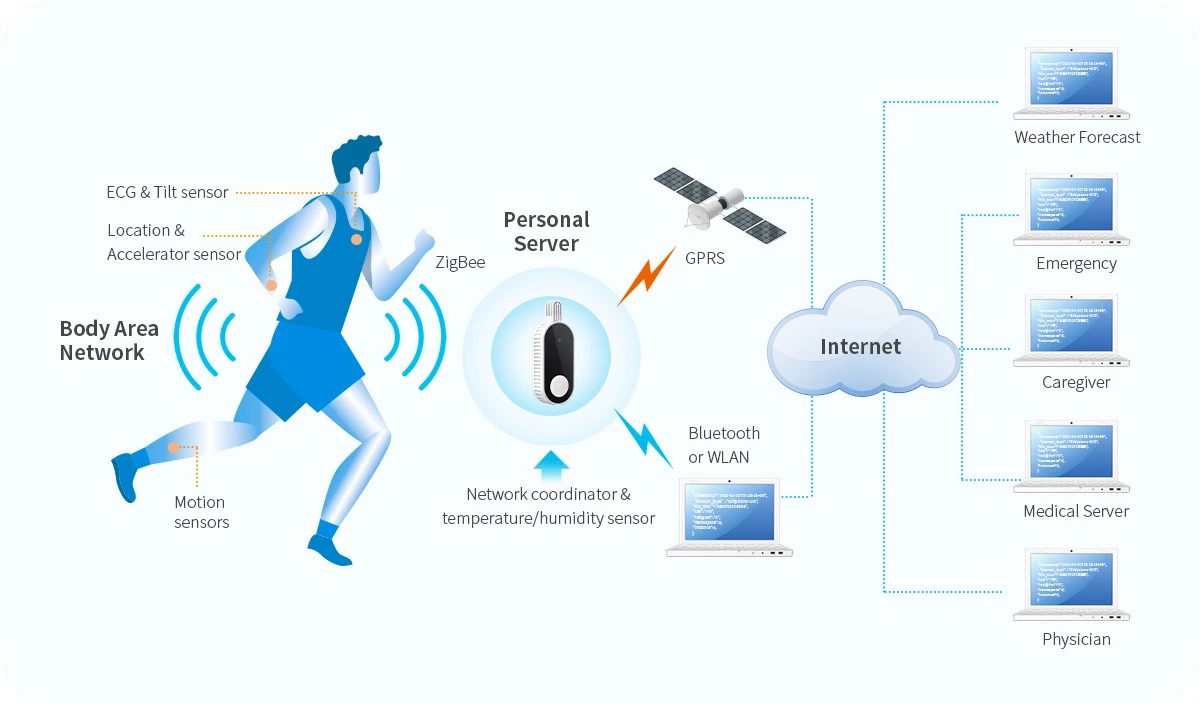
Wearable devices and the Internet of Things form a natural combination, seamlessly integrating form factor and functionality. They embed capabilities traditionally found in computers and other bulky handheld devices into compact platforms such as microchips and smartwatches, creating intelligent wearable IoT products.
In general, all wearable devices within an IoT ecosystem are equipped with microcontrollers to ensure efficient and reliable operation. Wearable IoT systems are typically built on a three-layer architecture, which defines how they function:
Layer 1: Sensing Layer
This layer consists of sensors strategically positioned close to the user’s body. Their role is to monitor motion, temperature variations, pulse rate, and other parameters depending on the device design and application.
Layer 2: Control and Connectivity Layer
This layer is responsible for device control and communication. The most commonly used technology here is Bluetooth Low Energy (BLE), which connects wearable IoT devices to mobile devices such as smartphones or tablets, as well as to home networks.
Layer 3: Cloud and Data Layer
This layer is composed of cloud-based databases and services that send, receive, store, and process data generated by wearable IoT devices.
From inquiry to mass production, we provide a complete turnkey esp32 PCB solution.
Submit your detailed project requirements..
Engineering team provides a feasibility report for the product.
Provide quotation based on product requirements and finalize the contract.
Engineers complete the product’s firmware and hardware design.
Confirm design files, build prototypes, and perform functional testing.
Deliver PCB Gerber files, schematics, BOM, firmware source code, and technical documentation.
Support PCBA manufacturing,Design production test fixtures,Program firmware for mass production
We will support your wearable device product with an engineering-driven, production-ready approach,
helping it move smoothly toward mass production and the market.
Our product experts and technicians will answer your questions within 24 hours.