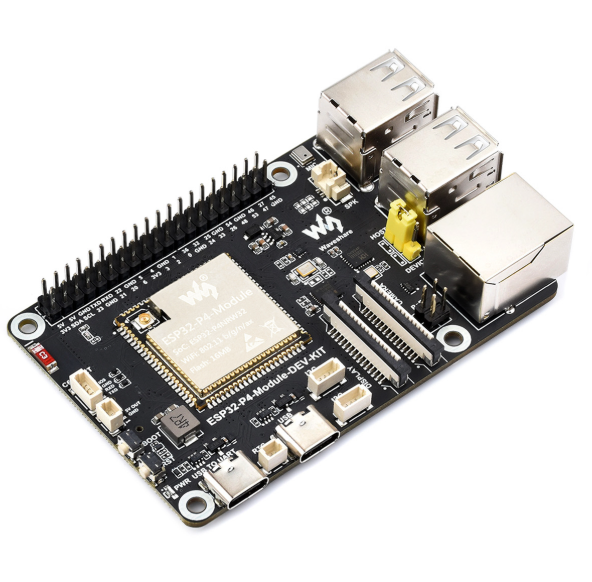
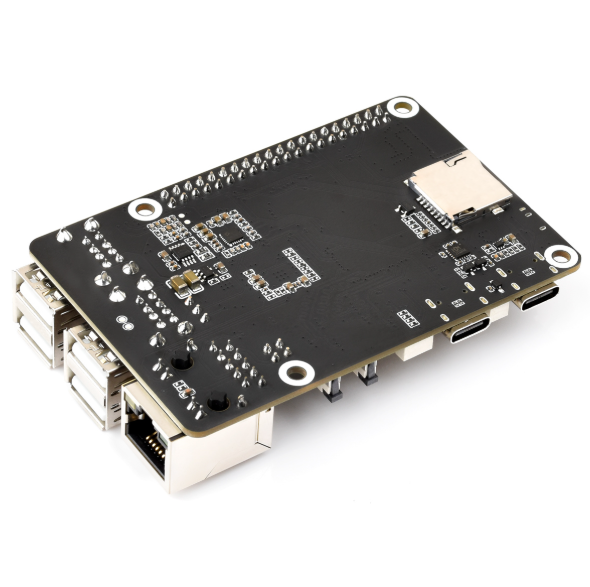
O Módulo ESP32-P4 é uma placa de desenvolvimento RISC-V dual-core de alto desempenho baseada no chip ESP32-P4.
Ele fornece uma rica interface homem-máquina (IHM) capacidades, incluindo MIPI-CSI (com processador de sinal de imagem integrado, ISP) e MIPI-DSI interfaces de exibição. Além disso, ele suporta uma ampla gama de periféricos comumente usados, como SPI, I2S, I2C, LED PWM, MCPWM, TRM, ADC, UART, e TWAI™.
Para conectividade de alta velocidade, a placa suporta USB OTG 2.0 SH, Ethernet, e Anfitrião SDIO 3.0. O chip também integra um periférico de assinatura digital e um dedicado unidade de gerenciamento de chaves, garantindo uma forte segurança do sistema.
O ESP32-P4-Module-DEV-KIT foi projetado para aplicações de alto desempenho e alta segurança, atendendo plenamente aos requisitos avançados de sistemas embarcados em áreas como suporte de interface homem-máquina, capacidade de computação de ponta, e rica conectividade de E/S.
1. Posicionamento central & Diferenças de tabuleiro
Definição do Módulo
“Módulo” refere-se a um placa de desenvolvimento modular completa, construído em um módulo central ESP32-P4 pré-embalado em vez de um design de chip simples.
Comparado com ESP32-P4-NANO:
- Tamanho maior
- Mais GPIOs e interfaces
- Capacidade de expansão mais forte
- Mais próximo da funcionalidade dos painéis oficiais de avaliação do Espressif
Arquitetura de chip duplo
- Chip principal: ESP32-P4 (RISC-V dual-core de alto desempenho)
- Coprocessador: ESP32-C6-MINI (Wi-fi 6 + BLE via SDIO 3.0 interface de alta velocidade)
Observação: O ESP32-P4 em si não inclui capacidade sem fio nativa. Todas as funções sem fio são controladas pelo módulo C6.
Dimensões
- Aprox.. 85 × 56 milímetros (tamanho padrão da placa de desenvolvimento)
- A bordo 40-fixar cabeçalho GPIO (parcialmente compatível com Raspberry Pi HATs)
- Fácil conexão com sensores, exibições, e módulos externos

2. Especificações básicas de hardware (ESP32-P4)
2.1 Processador & Desempenho
- Núcleo HP (Alto desempenho):
- 32-bit dual-core RISC-V
- Até 360 MHz (máx. 400 MHz)
- DSP integrado, PUF, e extensões de instrução de IA
- Suporta inferência de IA de ponta, codificação/decodificação de vídeo, e renderização HMI
- Núcleo LP (Baixo consumo de energia):
- 32-bit RISC-V de núcleo único
- 40 MHz
- Lida com espera de baixo consumo de energia, sondagem de sensores, e tarefas em segundo plano
- Consumo de energia em espera de nível μA
- Coprocessador sem fio:
- ESP32-C6-MINI
- Suporta Wi-Fi 6 (802.11machado), Bluetooth 5.3 / BLE
- 2.4 Banda GHz
- SDIO de alta velocidade 3.0 interface
2.2 Configuração de memória
- No chip:
- 128 KB ROM da HP
- 16 KB ROM ROM
- 768 KB HP L2 SRAM
- 32 KB LP SRAM
- 8 KB TCM (acesso sem espera)
- Memória empilhada:
- 32 MB PSRAM (para vídeo 1080P, Modelos de IA, GUI grande)
- Externo:
- 16 MB QSPI NOR Flash (armazenamento de programas/dados)
2.3 Principais periféricos & Interfaces
Multimídia / IHM (Recursos de destaque)
- Tela MIPI-DSI:
- 2-faixa, até 1080P a 30fps
- DMA 2D integrado, Decodificador JPEG, Acelerador de pixels PPA
- Conexão direta ao LCD / tela sensível ao toque
- Câmera MIPI-CSI:
- 2-pista com ISP integrado
- Suporta 1080P a 30fps
- H.264 / Codificação JPEG
- Adequado para captura de visão, vigilância, Reconhecimento de IA
- Áudio:
- Microfone MEMS integrado
- Interface do amplificador de alto-falante
- I2S / Suporte PCM
- Suporta gravação, reprodução, despertar por voz, reconhecimento de fala off-line
Comunicação de alta velocidade & Armazenar
- Ethernet:
- 100 Mbps RJ45
- Suporte PoE opcional (poder + dados por cabo único)
- USB:
- Tipo-C (poder, piscando, depuração)
- USB tipo A 2.0 OTG HS (Disco U, teclado/mouse, câmera, 4Módulo G)
- SDIO 3.0:
- Slot para cartão TF
- Suporta expansão de armazenamento em alta velocidade (128GB+)
OI geral & Expansão
- 40-cabeçalho do pino:
- 28+ GPIOs programáveis
- Suporta SPI, I2S, I2C, UART, ADC, PWM, MCPWM, TRM, DUAS VEZES (PODE), I3C
- Componentes integrados:
- BOTA / Botões REINICIAR
- LED do usuário
- Suporte de bateria RTC
- Indicador de energia
- Interface de expansão PoE
- Interface de depuração
2.4 Poder & Consumo
- Entrada de energia:
- Tipo C 5V
- PoE opcional
- 5V / 3.3Entrada do cabeçalho V
- Consumo de energia:
- Modo de alto desempenho: ~1,5–2,5W
- Modo de baixo consumo de energia (Núcleo LP): <10µA
2.5 Recursos de segurança
- Inicialização segura
- Criptografia Flash
- Aceleradores criptográficos de hardware (AES-256, SHA-256, RSA)
- Unidade de gerenciamento de chaves
- Periférico de assinatura digital
Garante firmware, dados, e segurança de comunicação.
3. Ambiente de Desenvolvimento & Suporte de software
- Compatível com ESP-IDF v5.2+ (quadro oficial, C/C++, RTOS grátis, Nuvem ESP-RainMaker)
- Suporta Ecossistema Arduino para prototipagem rápida
- Os recursos oficiais incluem:
- Esquemas
- Arquivos de design de PCB
- Motoristas
- Código de exemplo (câmera, mostrar, rede, áudio, IA)
- Documentação Wiki e suporte técnico
4. Aplicações Típicas
- IHM de alto desempenho / painéis de controle inteligentes
- IA de borda / reconhecimento de visão (detecção de rosto/objeto, 1080Vigilância P)
- Gateways IoT de alta velocidade (Wi-fi 6 + Ethernet + PoE)
- Multimídia & dispositivos de interação por voz (alto-falantes inteligentes, terminais de vídeo, câmeras de painel)
- Automação industrial, robótica, drones, dispositivos inteligentes portáteis
5. Principais vantagens (vs ESP32-P4-NANO)
- Design completo: Sem redução de interface (MIPI, Ethernet, USB, 40-expansão de pinos)
- Arquitetura modular: Melhor estabilidade e desempenho EMI
- Forte expansibilidade: Cabeçalho compatível com Raspberry Pi HAT
- Prontidão industrial: Suporta PoE, Ethernet, ampla entrada de tensão, e recursos de segurança